
What are Diagonal Wall Cracks & What to do About Them
Diagonal cracks in walls are a common concern for homeowners and can understandably cause worry. While some cracks are purely cosmetic and part of the life of the home, others can be a sign of more serious structural problems. Understanding the difference is key to knowing when action is needed.
Cracks are a mechanism for releasing stresses built up within a structure. They will naturally exploit inherent weaknesses in your home’s construction. Minor cracks can be caused by seasonal changes in humidity and temperature that cause building materials to expand and contract.
In new properties, some cracks can be the result of minor settlement of the ground accommodating the load from a new property. Fine cracks are also common in freshly plastered walls as they dry out.
Minor cracks are typically cosmetic and are easily fixed. Other cracks, such as diagonal cracks, can be a sign of more serious issues, which will require treatment from a ground engineering specialist such as Mainmark UK.
This blog sets out to educate homeowners concerned by seeing diagonal cracks appear in walls; it explains what causes the cracks, clarifies whether they are serious; and outlines what action they should take.
What Are Diagonal Wall Cracks?
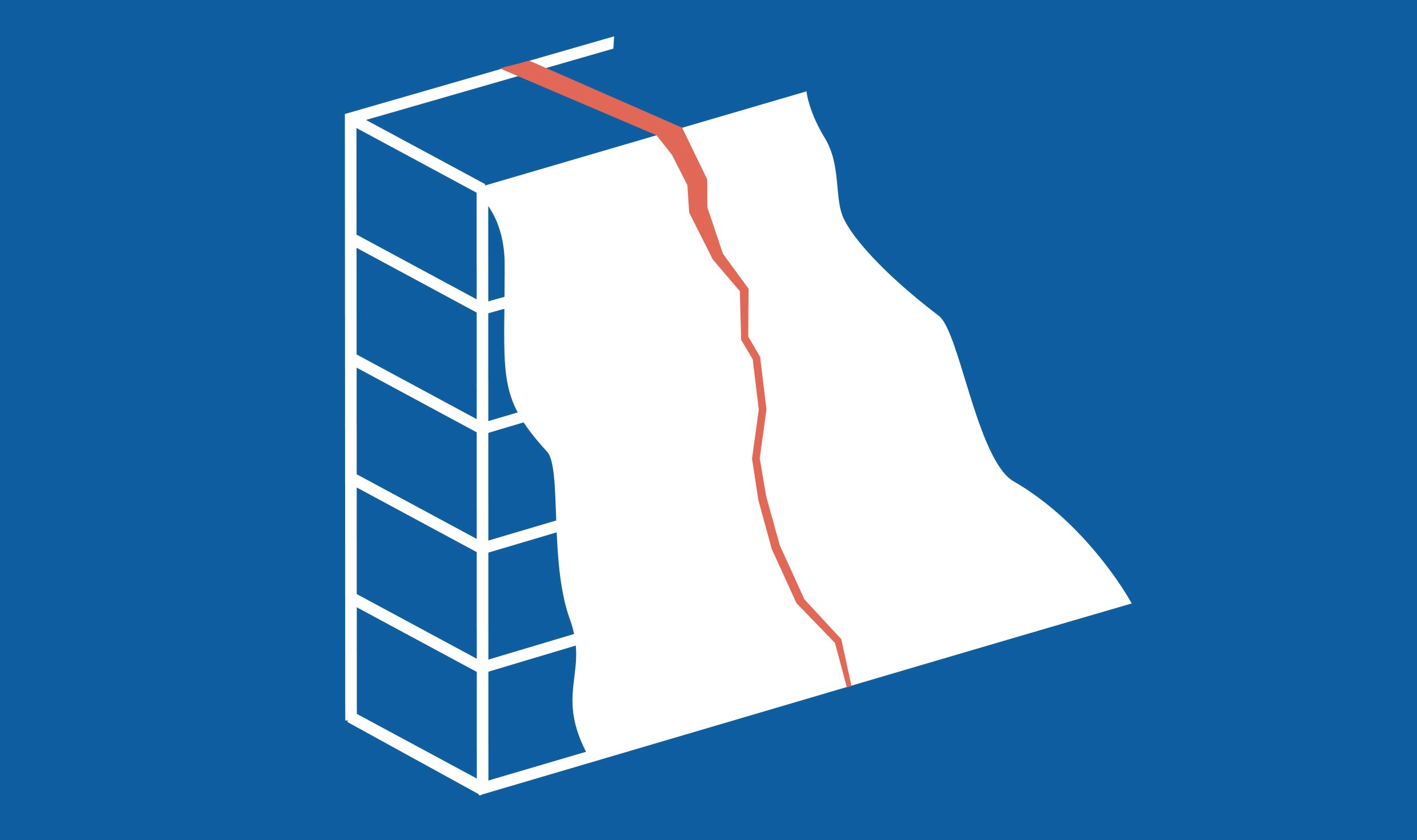
When it comes to the structural integrity of your home, your walls often provide the first clues. While small cracks may be cosmetic, a common warning sign of structural issues is the sudden appearance of diagonal, stepped cracks in brickwork. These jagged, zig-zag fissures typically follow mortar joints at a 45-degree angle.
Step cracks often start narrow and widen as they rise or descend diagonally. Their tapered pattern distinguishes them from other crack types and can indicate differential settlement of the ground beneath the foundations. Where ground support is lost, parts of a structure can drop, creating stresses in the masonry that cause cracking, particularly around weak points such as window and door openings.
As subsidence progresses, cracks tend to widen further and may be accompanied by other signs, including sticking doors and windows or ripples appearing in wallpaper.
Noticing different cracks around your home? Take a look at our guide, Structural Cracks 101, to learn more about the other types of cracks you might see around your home.
Why Do Diagonal Wall Cracks Happen?
Subsidence is the downward movement of the ground supporting a building. Most subsidence-related damage is influenced by a combination of four main factors: soil type, weather, vegetation and foundation depth.
Ground Movement & Subsidence
Subsidence is most common in areas with clay-rich soils, such as London and much of the South East of England. You can check the soil type in your area using the British Geological Survey’s online maps.
Clay soils expand when wet and shrink when dry, creating movement that can compromise a building’s structural integrity. In normal conditions, the clay will shrink slightly in summer and recover in the wetter winter months. However, increasingly drier summers and winters prevent the ground from fully recovering, leading to settlement and cracking.
Foundation Settlement & Structural Load Changes
Heavy loads imposed in one area of the foundations, the removal of a load-bearing wall, or poorly compacted sub-soil can lead to uneven loading, which can result in the differential settlement of the foundations.
Construction
Cracks in walls usually follow the path of least resistance. Mortar is usually weaker than the bricks it supports, which is why subsidence cracks in walls usually follow the mortar joints in a stepped pattern while the bricks remain unaffected.
In cavity walls, the inner and outer walls are made from different materials, so they can move slightly differently. This means a crack on the outside of your home may appear in a similar area inside, but the cracks will not line up exactly.
Water-Related Problems
Building foundations have become progressively deeper and stronger over the previous century, but minimum depths were not generally adopted until they were enshrined in the Building Regulations in the mid-1960s.
Moisture variations in clay soil typically occur within the top metre of ground. For older buildings with shallow foundations, this movement can cause significant damage. However, tree roots can draw moisture from much deeper levels - sometimes several metres - meaning even newer homes with deeper foundations are not immune to tree-related subsidence.
Other causes of subsidence cracks include leaking drains or pipes, which can wash away the soil from beneath foundations, causing them to become unstable.
Do Diagonal Wall Cracks Mean Something Serious?
The warning signs that your home may be suffering from subsidence include:
Diagonal cracks wider than 3mm
Cracks exceeding 3mm in width need a specialist structural assessment. Ground engineering specialists such as Mainmark undertake subsidence surveys to examine the solution your home needs. One of Mainmark’s experts will visit the site, assess the damage and ascertain the likely cause. Our experienced engineers and technicians are skilled at establishing the most appropriate treatment methods tailored to the needs of your home. This will enable you to understand the extent of the subsidence and your remediation options.
Multiple step cracks appearing simultaneously
A single crack might represent isolated stress, perhaps from one part of the foundation subsiding. Multiple cracks occurring in different walls would suggest problems with the entire foundation. Don't delay, speak to a specialist.
Rapidly growing cracks
Cracks that start small often widen or spread if the underlying foundation issue isn’t addressed.
Foundation movement rarely stops without intervention. If a crack continues to widen and grow over the course of several months, it is likely that the causes of subsidence are still active and should be urgently investigated by a specialist.
Of course, the visible signs of subsidence will also lower the value of your property and make it harder to sell.
Spotted a Diagonal Crack? Here’s Your No-Panic Plan
Monitoring changes in a crack's width, length, and depth over time will help you determine if a structure is stable, seasonally active, or at imminent risk of failure.
Once you spot a diagonal/stepped crack, gather as much information as you can and then talk to a specialist. The following steps will help inform your conversation with a ground engineering specialist who can help you decide on the best way forward.
Step 1: Document & Monitor the crack
There are apps available that can be used to measure and log crack dimensions over time using photos. Otherwise, a DIY solution using a measuring tape and pencil can be used.
Measure the Width
Cracks under 3mm could be monitored. Cracks between 3-5mm should be professionally assessed. Cracks exceeding 5mm require immediate attention.
Track the growth
A piece of tape is placed on each side of the crack. A pencil mark is made on each piece of tape, and the distance between them is measured weekly to document growth.
Track the length
The length of the crack is an indication of the extent of the problem. Long cracks over a metre or more are symptomatic of foundation movement affecting a larger area than a short, stepped crack which might be indicative of localised movement.
Count the number of steps on a stepped crack. An increase in the number of steps over time will indicate crack growth. The size of the steps too can be indicative of the type of movement, larger steps can indicate rapid movement; smaller steps suggest a more gradual growth.
Track crack locations
The direction of the crack can reveal the direction of movement. The path of a diagonal crack relates to which part of the foundation has dropped and how the building has slumped in response.
A crack emanating from the lower left corner of a wall is responding to a different set of stresses to one emanating in the lower right corner. Multiple step cracks converging on one area point to localised foundation failure.
Step cracks appearing near ground level suggest foundation issues directly. Those appearing higher up a wall might not be the result of subsidence but may indicate other problems such as wall tie failure.
Check both sides of a cavity wall. Step cracks visible internally and externally in matching positions confirm through-wall structural damage.
Step 2: Identify Other Warning Signs
Document whether other symptoms of subsidence are present such as:
Doors jamming
Windows sticking
Ground floors becoming uneven
Water ingress
Drainage issues
Step 3: Get a Professional Survey
If you’re a property owner, you can benefit from a Mainmark in-person subsidence survey. The subsidence inspection will ensure a comprehensive analysis of the issues affecting your home, considering the size and the layout of the property, as well as the extent of the subsidence. You can get in touch here.
Alternative Option: Do nothing…
Disregarding cracks in walls may mean you’re missing the warning signs of serious and ongoing structural damage caused by subsidence. Without treatment, cracks provide a path for air and water to enter your home, resulting in cold drafts, damp and mould problems. Left unchecked, foundation instability could eventually compromise the structure of your home.
Can Diagonal Wall Cracks Be Repaired?
Mainmark’s subsidence and ground improvement treatment methods are effective for fixing cracks in walls in homes and buildings of any size.
One of Mainmark’s experts will visit the site to conduct a survey, assess the damage and ascertain the cause. Our experienced engineers and technicians are skilled at establishing the most appropriate methods and creating treatment plans specific to the needs of each building.
Mainmark’s non-invasive underpinning solutions can strengthen the ground under the foundations and then lift the foundations to re-level buildings through injection or cementitious grout.
As opposed to more traditional methods of underpinning buildings, Mainmark's Teretek® injection process is quicker and, in most cases, done from outside a building using 16mm diameter injection tubes. If interior injection is required, a thin, 6mm tube is used. The size of the tubes means that there is minimal intrusion into the property.
Another non-invasive crack repair method is JOG Computer-Controlled Grouting. This is where Mainmark's team inject cement grout under a property, at as many as 128 points, to strengthen the ground and create a simultaneous, precise re-levelling process.
As a building is re-levelled, wall cracks generally close, leaving only a little cosmetic crack repair, such as patching and painting, to deal with. Most importantly, structural damage is resolved.
Diagonal Today, Straight Tomorrow
Minor cracks may be nothing to worry about, but wider cracks and stepped cracks should be investigated by a professional.
Stepped cracks can be a sign of subsidence. If you are concerned your home might be affected by subsidence, the best thing to do is to talk to a specialist such as Mainmark UK.
Mainmark is a global leader in ground engineering and asset preservation, specialising in subsidence prevention, remediation, and ground improvement.
Since 1989, Mainmark has raised, re-levelled and re-supported homes and other residential buildings, delivering successful solutions to thousands of properties. Our ground improvement and level correction methods can address foundation subsidence and are effective for helping to fix cracks in walls or re-level sunken floors in homes of any size. Our solutions are also used for slab-lifting foundation slabs and large driveways.
If you are concerned about diagonal cracks in your home, contact Mainmark UK.
Mainmark’s specialised in-house solutions
Our dedicated team of experts is committed to understanding your unique needs and objectives, working closely with you to develop and execute.
Get in Touch
Our dedicated team of experts is committed to understanding your unique needs and objectives, working closely with you to develop and execute.
What are Diagonal Wall Cracks & What to do About Them
Diagonal cracks in walls are a common concern for homeowners and can understandably cause worry. While some cracks are purely cosmetic and part of the life of the home, others can be a sign of more serious structural problems. Understanding the difference is key to knowing when action is needed.
Cracks are a mechanism for releasing stresses built up within a structure. They will naturally exploit inherent weaknesses in your home’s construction. Minor cracks can be caused by seasonal changes in humidity and temperature that cause building materials to expand and contract.
In new properties, some cracks can be the result of minor settlement of the ground accommodating the load from a new property. Fine cracks are also common in freshly plastered walls as they dry out.
Minor cracks are typically cosmetic and are easily fixed. Other cracks, such as diagonal cracks, can be a sign of more serious issues, which will require treatment from a ground engineering specialist such as Mainmark UK.
This blog sets out to educate homeowners concerned by seeing diagonal cracks appear in walls; it explains what causes the cracks, clarifies whether they are serious; and outlines what action they should take.
What Are Diagonal Wall Cracks?
When it comes to the structural integrity of your home, your walls often provide the first clues. While small cracks may be cosmetic, a common warning sign of structural issues is the sudden appearance of diagonal, stepped cracks in brickwork. These jagged, zig-zag fissures typically follow mortar joints at a 45-degree angle.
Step cracks often start narrow and widen as they rise or descend diagonally. Their tapered pattern distinguishes them from other crack types and can indicate differential settlement of the ground beneath the foundations. Where ground support is lost, parts of a structure can drop, creating stresses in the masonry that cause cracking, particularly around weak points such as window and door openings.
As subsidence progresses, cracks tend to widen further and may be accompanied by other signs, including sticking doors and windows or ripples appearing in wallpaper.
Noticing different cracks around your home? Take a look at our guide, Structural Cracks 101, to learn more about the other types of cracks you might see around your home.
Why Do Diagonal Wall Cracks Happen?
Subsidence is the downward movement of the ground supporting a building. Most subsidence-related damage is influenced by a combination of four main factors: soil type, weather, vegetation and foundation depth.
Ground Movement & Subsidence
Subsidence is most common in areas with clay-rich soils, such as London and much of the South East of England. You can check the soil type in your area using the British Geological Survey’s online maps.
Clay soils expand when wet and shrink when dry, creating movement that can compromise a building’s structural integrity. In normal conditions, the clay will shrink slightly in summer and recover in the wetter winter months. However, increasingly drier summers and winters prevent the ground from fully recovering, leading to settlement and cracking.
Foundation Settlement & Structural Load Changes
Heavy loads imposed in one area of the foundations, the removal of a load-bearing wall, or poorly compacted sub-soil can lead to uneven loading, which can result in the differential settlement of the foundations.
Construction
Cracks in walls usually follow the path of least resistance. Mortar is usually weaker than the bricks it supports, which is why subsidence cracks in walls usually follow the mortar joints in a stepped pattern while the bricks remain unaffected.
In cavity walls, the inner and outer walls are made from different materials, so they can move slightly differently. This means a crack on the outside of your home may appear in a similar area inside, but the cracks will not line up exactly.
Water-Related Problems
Building foundations have become progressively deeper and stronger over the previous century, but minimum depths were not generally adopted until they were enshrined in the Building Regulations in the mid-1960s.
Moisture variations in clay soil typically occur within the top metre of ground. For older buildings with shallow foundations, this movement can cause significant damage. However, tree roots can draw moisture from much deeper levels - sometimes several metres - meaning even newer homes with deeper foundations are not immune to tree-related subsidence.
Other causes of subsidence cracks include leaking drains or pipes, which can wash away the soil from beneath foundations, causing them to become unstable.
Do Diagonal Wall Cracks Mean Something Serious?
The warning signs that your home may be suffering from subsidence include:
Diagonal cracks wider than 3mm
Cracks exceeding 3mm in width need a specialist structural assessment. Ground engineering specialists such as Mainmark undertake subsidence surveys to examine the solution your home needs. One of Mainmark’s experts will visit the site, assess the damage and ascertain the likely cause. Our experienced engineers and technicians are skilled at establishing the most appropriate treatment methods tailored to the needs of your home. This will enable you to understand the extent of the subsidence and your remediation options.
Multiple step cracks appearing simultaneously
A single crack might represent isolated stress, perhaps from one part of the foundation subsiding. Multiple cracks occurring in different walls would suggest problems with the entire foundation. Don't delay, speak to a specialist.
Rapidly growing cracks
Cracks that start small often widen or spread if the underlying foundation issue isn’t addressed.
Foundation movement rarely stops without intervention. If a crack continues to widen and grow over the course of several months, it is likely that the causes of subsidence are still active and should be urgently investigated by a specialist.
Of course, the visible signs of subsidence will also lower the value of your property and make it harder to sell.
Spotted a Diagonal Crack? Here’s Your No-Panic Plan
Monitoring changes in a crack's width, length, and depth over time will help you determine if a structure is stable, seasonally active, or at imminent risk of failure.
Once you spot a diagonal/stepped crack, gather as much information as you can and then talk to a specialist. The following steps will help inform your conversation with a ground engineering specialist who can help you decide on the best way forward.
Step 1: Document & Monitor the crack
There are apps available that can be used to measure and log crack dimensions over time using photos. Otherwise, a DIY solution using a measuring tape and pencil can be used.
Measure the Width
Cracks under 3mm could be monitored. Cracks between 3-5mm should be professionally assessed. Cracks exceeding 5mm require immediate attention.
Track the growth
A piece of tape is placed on each side of the crack. A pencil mark is made on each piece of tape, and the distance between them is measured weekly to document growth.
Track the length
The length of the crack is an indication of the extent of the problem. Long cracks over a metre or more are symptomatic of foundation movement affecting a larger area than a short, stepped crack which might be indicative of localised movement.
Count the number of steps on a stepped crack. An increase in the number of steps over time will indicate crack growth. The size of the steps too can be indicative of the type of movement, larger steps can indicate rapid movement; smaller steps suggest a more gradual growth.
Track crack locations
The direction of the crack can reveal the direction of movement. The path of a diagonal crack relates to which part of the foundation has dropped and how the building has slumped in response.
A crack emanating from the lower left corner of a wall is responding to a different set of stresses to one emanating in the lower right corner. Multiple step cracks converging on one area point to localised foundation failure.
Step cracks appearing near ground level suggest foundation issues directly. Those appearing higher up a wall might not be the result of subsidence but may indicate other problems such as wall tie failure.
Check both sides of a cavity wall. Step cracks visible internally and externally in matching positions confirm through-wall structural damage.
Step 2: Identify Other Warning Signs
Document whether other symptoms of subsidence are present such as:
Doors jamming
Windows sticking
Ground floors becoming uneven
Water ingress
Drainage issues
Step 3: Get a Professional Survey
If you’re a property owner, you can benefit from a Mainmark in-person subsidence survey. The subsidence inspection will ensure a comprehensive analysis of the issues affecting your home, considering the size and the layout of the property, as well as the extent of the subsidence. You can get in touch here.
Alternative Option: Do nothing…
Disregarding cracks in walls may mean you’re missing the warning signs of serious and ongoing structural damage caused by subsidence. Without treatment, cracks provide a path for air and water to enter your home, resulting in cold drafts, damp and mould problems. Left unchecked, foundation instability could eventually compromise the structure of your home.
Can Diagonal Wall Cracks Be Repaired?
Mainmark’s subsidence and ground improvement treatment methods are effective for fixing cracks in walls in homes and buildings of any size.
One of Mainmark’s experts will visit the site to conduct a survey, assess the damage and ascertain the cause. Our experienced engineers and technicians are skilled at establishing the most appropriate methods and creating treatment plans specific to the needs of each building.
Mainmark’s non-invasive underpinning solutions can strengthen the ground under the foundations and then lift the foundations to re-level buildings through injection or cementitious grout.
As opposed to more traditional methods of underpinning buildings, Mainmark's Teretek® injection process is quicker and, in most cases, done from outside a building using 16mm diameter injection tubes. If interior injection is required, a thin, 6mm tube is used. The size of the tubes means that there is minimal intrusion into the property.
Another non-invasive crack repair method is JOG Computer-Controlled Grouting. This is where Mainmark's team inject cement grout under a property, at as many as 128 points, to strengthen the ground and create a simultaneous, precise re-levelling process.
As a building is re-levelled, wall cracks generally close, leaving only a little cosmetic crack repair, such as patching and painting, to deal with. Most importantly, structural damage is resolved.
Diagonal Today, Straight Tomorrow
Minor cracks may be nothing to worry about, but wider cracks and stepped cracks should be investigated by a professional.
Stepped cracks can be a sign of subsidence. If you are concerned your home might be affected by subsidence, the best thing to do is to talk to a specialist such as Mainmark UK.
Mainmark is a global leader in ground engineering and asset preservation, specialising in subsidence prevention, remediation, and ground improvement.
Since 1989, Mainmark has raised, re-levelled and re-supported homes and other residential buildings, delivering successful solutions to thousands of properties. Our ground improvement and level correction methods can address foundation subsidence and are effective for helping to fix cracks in walls or re-level sunken floors in homes of any size. Our solutions are also used for slab-lifting foundation slabs and large driveways.
If you are concerned about diagonal cracks in your home, contact Mainmark UK.
Mainmark’s specialised in-house solutions
Our dedicated team of experts is committed to understanding your unique needs and objectives, working closely with you to develop and execute.
Get in Touch
Our dedicated team of experts is committed to understanding your unique needs and objectives, working closely with you to develop and execute.
What are Diagonal Wall Cracks & What to do About Them
Diagonal cracks in walls are a common concern for homeowners and can understandably cause worry. While some cracks are purely cosmetic and part of the life of the home, others can be a sign of more serious structural problems. Understanding the difference is key to knowing when action is needed.
Cracks are a mechanism for releasing stresses built up within a structure. They will naturally exploit inherent weaknesses in your home’s construction. Minor cracks can be caused by seasonal changes in humidity and temperature that cause building materials to expand and contract.
In new properties, some cracks can be the result of minor settlement of the ground accommodating the load from a new property. Fine cracks are also common in freshly plastered walls as they dry out.
Minor cracks are typically cosmetic and are easily fixed. Other cracks, such as diagonal cracks, can be a sign of more serious issues, which will require treatment from a ground engineering specialist such as Mainmark UK.
This blog sets out to educate homeowners concerned by seeing diagonal cracks appear in walls; it explains what causes the cracks, clarifies whether they are serious; and outlines what action they should take.
What Are Diagonal Wall Cracks?
When it comes to the structural integrity of your home, your walls often provide the first clues. While small cracks may be cosmetic, a common warning sign of structural issues is the sudden appearance of diagonal, stepped cracks in brickwork. These jagged, zig-zag fissures typically follow mortar joints at a 45-degree angle.
Step cracks often start narrow and widen as they rise or descend diagonally. Their tapered pattern distinguishes them from other crack types and can indicate differential settlement of the ground beneath the foundations. Where ground support is lost, parts of a structure can drop, creating stresses in the masonry that cause cracking, particularly around weak points such as window and door openings.
As subsidence progresses, cracks tend to widen further and may be accompanied by other signs, including sticking doors and windows or ripples appearing in wallpaper.
Noticing different cracks around your home? Take a look at our guide, Structural Cracks 101, to learn more about the other types of cracks you might see around your home.
Why Do Diagonal Wall Cracks Happen?
Subsidence is the downward movement of the ground supporting a building. Most subsidence-related damage is influenced by a combination of four main factors: soil type, weather, vegetation and foundation depth.
Ground Movement & Subsidence
Subsidence is most common in areas with clay-rich soils, such as London and much of the South East of England. You can check the soil type in your area using the British Geological Survey’s online maps.
Clay soils expand when wet and shrink when dry, creating movement that can compromise a building’s structural integrity. In normal conditions, the clay will shrink slightly in summer and recover in the wetter winter months. However, increasingly drier summers and winters prevent the ground from fully recovering, leading to settlement and cracking.
Foundation Settlement & Structural Load Changes
Heavy loads imposed in one area of the foundations, the removal of a load-bearing wall, or poorly compacted sub-soil can lead to uneven loading, which can result in the differential settlement of the foundations.
Construction
Cracks in walls usually follow the path of least resistance. Mortar is usually weaker than the bricks it supports, which is why subsidence cracks in walls usually follow the mortar joints in a stepped pattern while the bricks remain unaffected.
In cavity walls, the inner and outer walls are made from different materials, so they can move slightly differently. This means a crack on the outside of your home may appear in a similar area inside, but the cracks will not line up exactly.
Water-Related Problems
Building foundations have become progressively deeper and stronger over the previous century, but minimum depths were not generally adopted until they were enshrined in the Building Regulations in the mid-1960s.
Moisture variations in clay soil typically occur within the top metre of ground. For older buildings with shallow foundations, this movement can cause significant damage. However, tree roots can draw moisture from much deeper levels - sometimes several metres - meaning even newer homes with deeper foundations are not immune to tree-related subsidence.
Other causes of subsidence cracks include leaking drains or pipes, which can wash away the soil from beneath foundations, causing them to become unstable.
Do Diagonal Wall Cracks Mean Something Serious?
The warning signs that your home may be suffering from subsidence include:
Diagonal cracks wider than 3mm
Cracks exceeding 3mm in width need a specialist structural assessment. Ground engineering specialists such as Mainmark undertake subsidence surveys to examine the solution your home needs. One of Mainmark’s experts will visit the site, assess the damage and ascertain the likely cause. Our experienced engineers and technicians are skilled at establishing the most appropriate treatment methods tailored to the needs of your home. This will enable you to understand the extent of the subsidence and your remediation options.
Multiple step cracks appearing simultaneously
A single crack might represent isolated stress, perhaps from one part of the foundation subsiding. Multiple cracks occurring in different walls would suggest problems with the entire foundation. Don't delay, speak to a specialist.
Rapidly growing cracks
Cracks that start small often widen or spread if the underlying foundation issue isn’t addressed.
Foundation movement rarely stops without intervention. If a crack continues to widen and grow over the course of several months, it is likely that the causes of subsidence are still active and should be urgently investigated by a specialist.
Of course, the visible signs of subsidence will also lower the value of your property and make it harder to sell.
Spotted a Diagonal Crack? Here’s Your No-Panic Plan
Monitoring changes in a crack's width, length, and depth over time will help you determine if a structure is stable, seasonally active, or at imminent risk of failure.
Once you spot a diagonal/stepped crack, gather as much information as you can and then talk to a specialist. The following steps will help inform your conversation with a ground engineering specialist who can help you decide on the best way forward.
Step 1: Document & Monitor the crack
There are apps available that can be used to measure and log crack dimensions over time using photos. Otherwise, a DIY solution using a measuring tape and pencil can be used.
Measure the Width
Cracks under 3mm could be monitored. Cracks between 3-5mm should be professionally assessed. Cracks exceeding 5mm require immediate attention.
Track the growth
A piece of tape is placed on each side of the crack. A pencil mark is made on each piece of tape, and the distance between them is measured weekly to document growth.
Track the length
The length of the crack is an indication of the extent of the problem. Long cracks over a metre or more are symptomatic of foundation movement affecting a larger area than a short, stepped crack which might be indicative of localised movement.
Count the number of steps on a stepped crack. An increase in the number of steps over time will indicate crack growth. The size of the steps too can be indicative of the type of movement, larger steps can indicate rapid movement; smaller steps suggest a more gradual growth.
Track crack locations
The direction of the crack can reveal the direction of movement. The path of a diagonal crack relates to which part of the foundation has dropped and how the building has slumped in response.
A crack emanating from the lower left corner of a wall is responding to a different set of stresses to one emanating in the lower right corner. Multiple step cracks converging on one area point to localised foundation failure.
Step cracks appearing near ground level suggest foundation issues directly. Those appearing higher up a wall might not be the result of subsidence but may indicate other problems such as wall tie failure.
Check both sides of a cavity wall. Step cracks visible internally and externally in matching positions confirm through-wall structural damage.
Step 2: Identify Other Warning Signs
Document whether other symptoms of subsidence are present such as:
Doors jamming
Windows sticking
Ground floors becoming uneven
Water ingress
Drainage issues
Step 3: Get a Professional Survey
If you’re a property owner, you can benefit from a Mainmark in-person subsidence survey. The subsidence inspection will ensure a comprehensive analysis of the issues affecting your home, considering the size and the layout of the property, as well as the extent of the subsidence. You can get in touch here.
Alternative Option: Do nothing…
Disregarding cracks in walls may mean you’re missing the warning signs of serious and ongoing structural damage caused by subsidence. Without treatment, cracks provide a path for air and water to enter your home, resulting in cold drafts, damp and mould problems. Left unchecked, foundation instability could eventually compromise the structure of your home.
Can Diagonal Wall Cracks Be Repaired?
Mainmark’s subsidence and ground improvement treatment methods are effective for fixing cracks in walls in homes and buildings of any size.
One of Mainmark’s experts will visit the site to conduct a survey, assess the damage and ascertain the cause. Our experienced engineers and technicians are skilled at establishing the most appropriate methods and creating treatment plans specific to the needs of each building.
Mainmark’s non-invasive underpinning solutions can strengthen the ground under the foundations and then lift the foundations to re-level buildings through injection or cementitious grout.
As opposed to more traditional methods of underpinning buildings, Mainmark's Teretek® injection process is quicker and, in most cases, done from outside a building using 16mm diameter injection tubes. If interior injection is required, a thin, 6mm tube is used. The size of the tubes means that there is minimal intrusion into the property.
Another non-invasive crack repair method is JOG Computer-Controlled Grouting. This is where Mainmark's team inject cement grout under a property, at as many as 128 points, to strengthen the ground and create a simultaneous, precise re-levelling process.
As a building is re-levelled, wall cracks generally close, leaving only a little cosmetic crack repair, such as patching and painting, to deal with. Most importantly, structural damage is resolved.
Diagonal Today, Straight Tomorrow
Minor cracks may be nothing to worry about, but wider cracks and stepped cracks should be investigated by a professional.
Stepped cracks can be a sign of subsidence. If you are concerned your home might be affected by subsidence, the best thing to do is to talk to a specialist such as Mainmark UK.
Mainmark is a global leader in ground engineering and asset preservation, specialising in subsidence prevention, remediation, and ground improvement.
Since 1989, Mainmark has raised, re-levelled and re-supported homes and other residential buildings, delivering successful solutions to thousands of properties. Our ground improvement and level correction methods can address foundation subsidence and are effective for helping to fix cracks in walls or re-level sunken floors in homes of any size. Our solutions are also used for slab-lifting foundation slabs and large driveways.
If you are concerned about diagonal cracks in your home, contact Mainmark UK.
Mainmark’s specialised in-house solutions
Our dedicated team of experts is committed to understanding your unique needs and objectives, working closely with you to develop and execute.
Get in Touch
Our dedicated team of experts is committed to understanding your unique needs and objectives, working closely with you to develop and execute.