
Structural Cracks 101: Types & Causes
Cracks are common in UK homes. They are a mechanism for releasing stresses built up within the finishes or the structure. The type, size, and location of a crack are critical in helping establish whether a crack is a sign of subsidence or is simply cosmetic. Spotting subsidence cracking early is crucial in preventing more serious (and costly) structural damage.
This blog outlines the different types of cracks that occur in buildings and explains when to seek professional advice. It also outlines some of the solutions offered by leading subsidence and structural repair specialist Mainmark UK.
What Are Structural Cracks?
Cracks are visible evidence of stress having built up in a building.
Structural Cracks are generally larger and indicate a problem with the strength or integrity of the building's supporting framework. They are typically caused by underlying issues such as foundation settlement, soil movement, overloading, or poor construction practices.
Non-Structural Cracks are usually surface-level and are cosmetic. They are often caused by normal material shrinkage, such as plaster drying out, by materials expanding and contracting as the temperature changes, or by minor settlement in new homes.
Identifying the type of crack is crucial for determining the necessary course of action. Structural cracks usually indicate a building is moving and require prompt attention from a qualified professional.
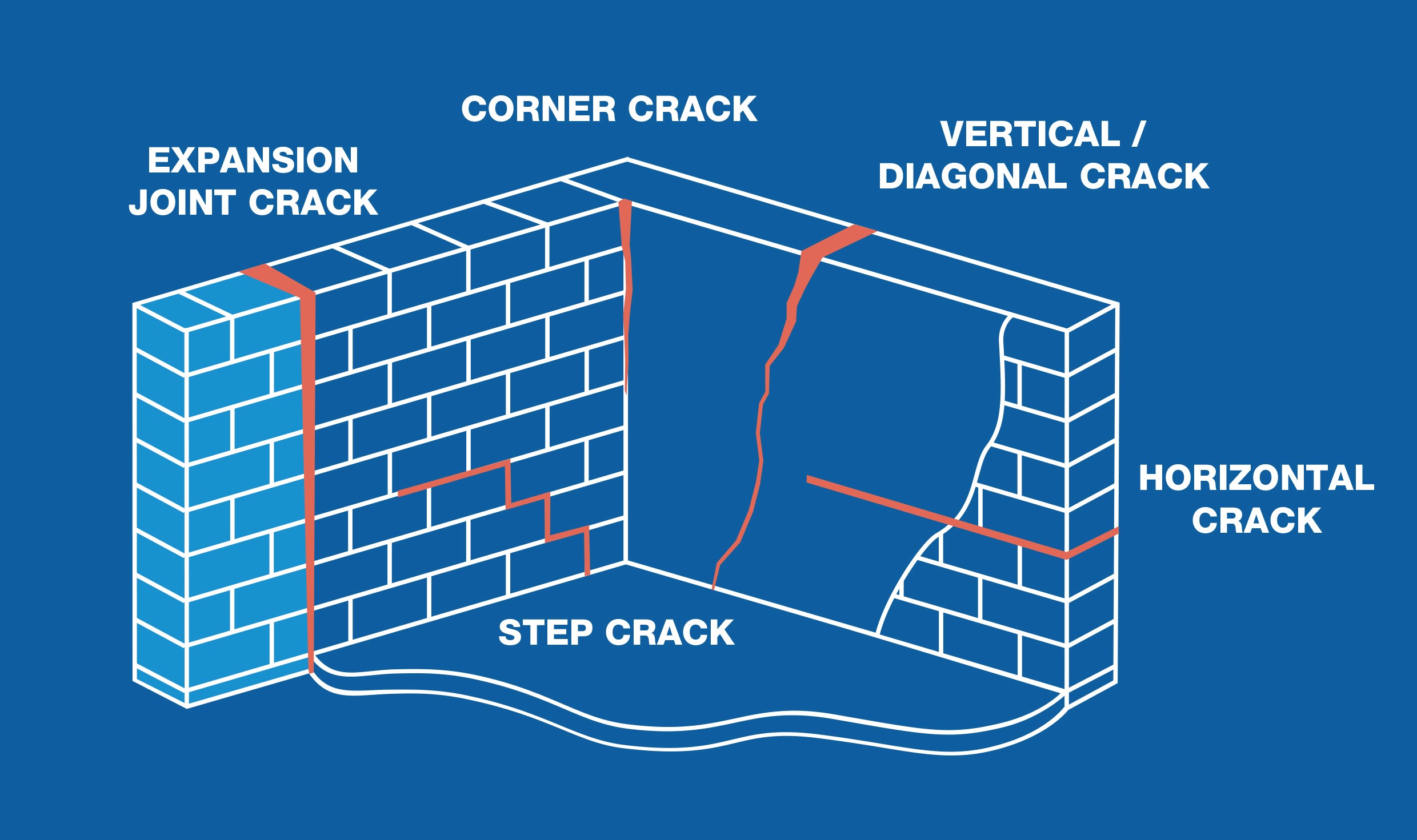
Types of Cracks in Buildings
The type and size of a crack will provide a clue as to its cause and the potential implications...
Hairline Cracks (<1mm)
Fine cracks that look like a strand of hair are common in plaster; they are usually cosmetic. In new homes they can appear when the plaster finish dries out or as the ground beneath consolidates naturally under the weight of the new building. In older homes hairline cracks can be caused by seasonal changes in humidity and temperature that cause building materials to expand and contract.
Concern level: Low
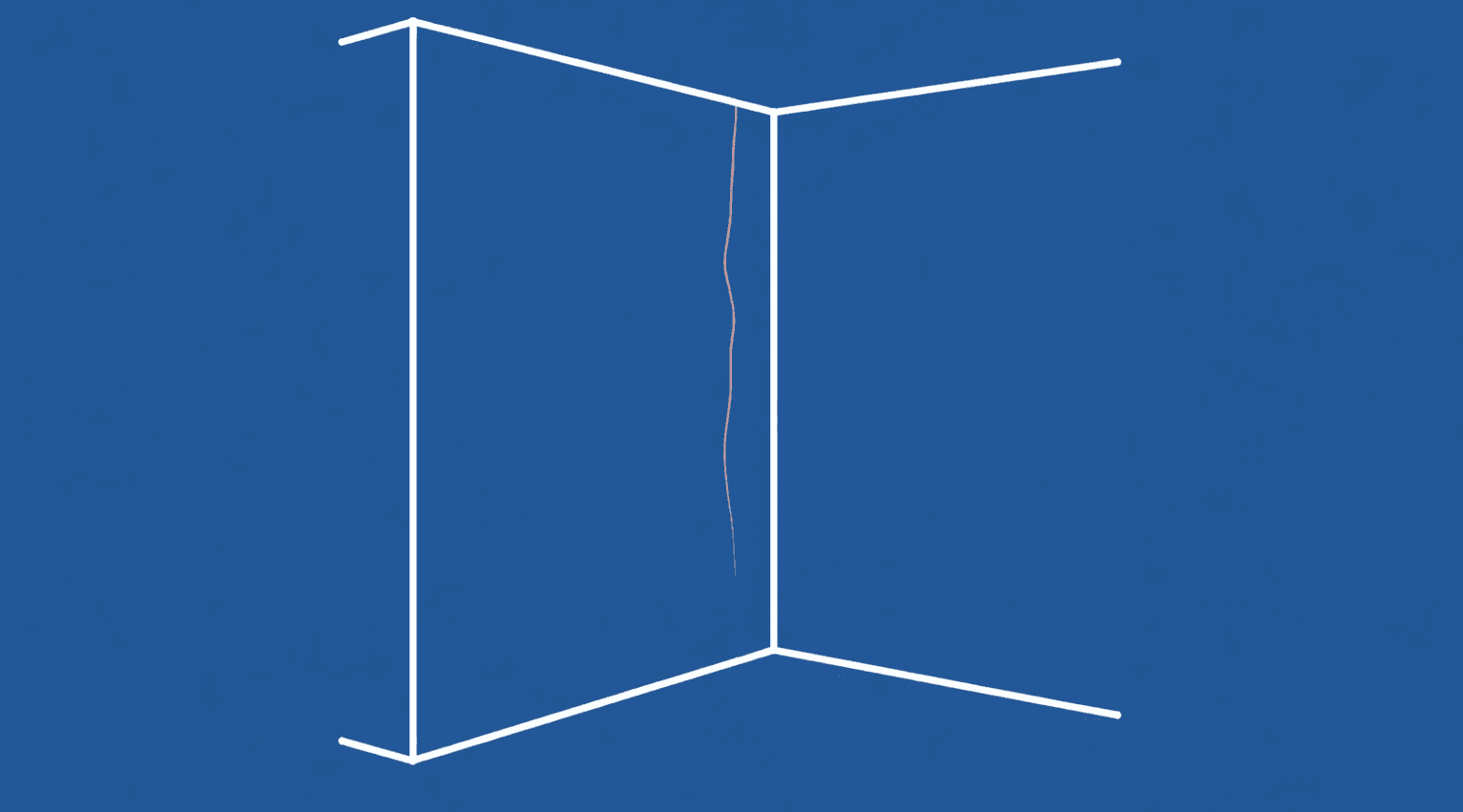
Vertical Cracks
These run straight up and down a wall and are caused by the building experiencing stress vertically.
Vertical cracks are not a major concern when they are the result of:
Natural settlement in new construction as the ground consolidates
Materials, such as plaster shrinking as it dries
Temperature cycling in long, unjointed walls as they expand and contract
Vertical cracks are of more concern when they are the result of:
Differential settlement of the foundation
Poor design, poor construction or the use of substandard materials
Overloading a structural element beyond its intended design capacity
Concern level: Low/Medium
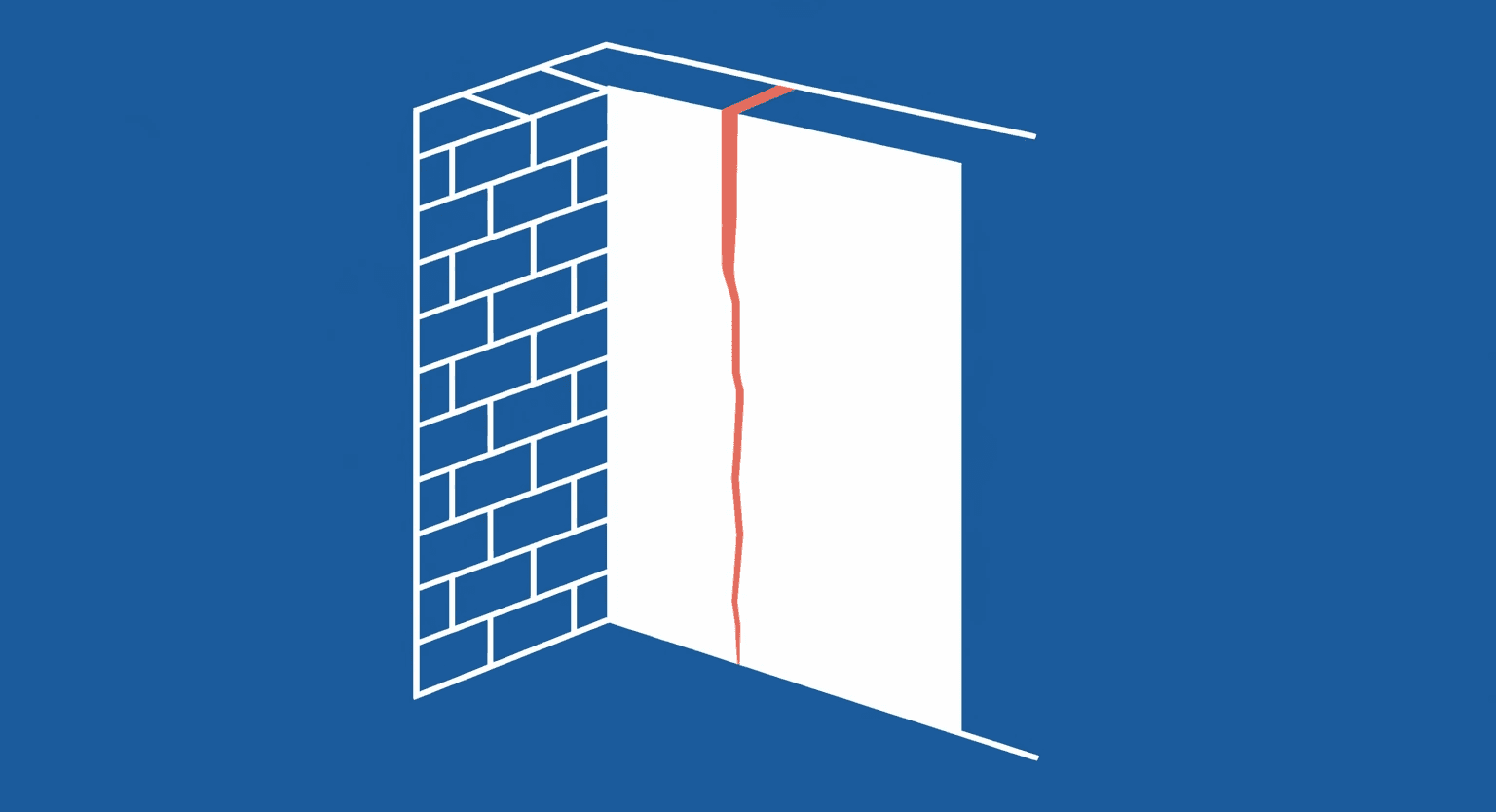
Diagonal Cracks
These can appear suddenly. They run from the corners of doors and window frames and are often wider at one end. A diagonal crack in either an internal or external wall is a warning that your home may be suffering from subsidence.
Concern level: High
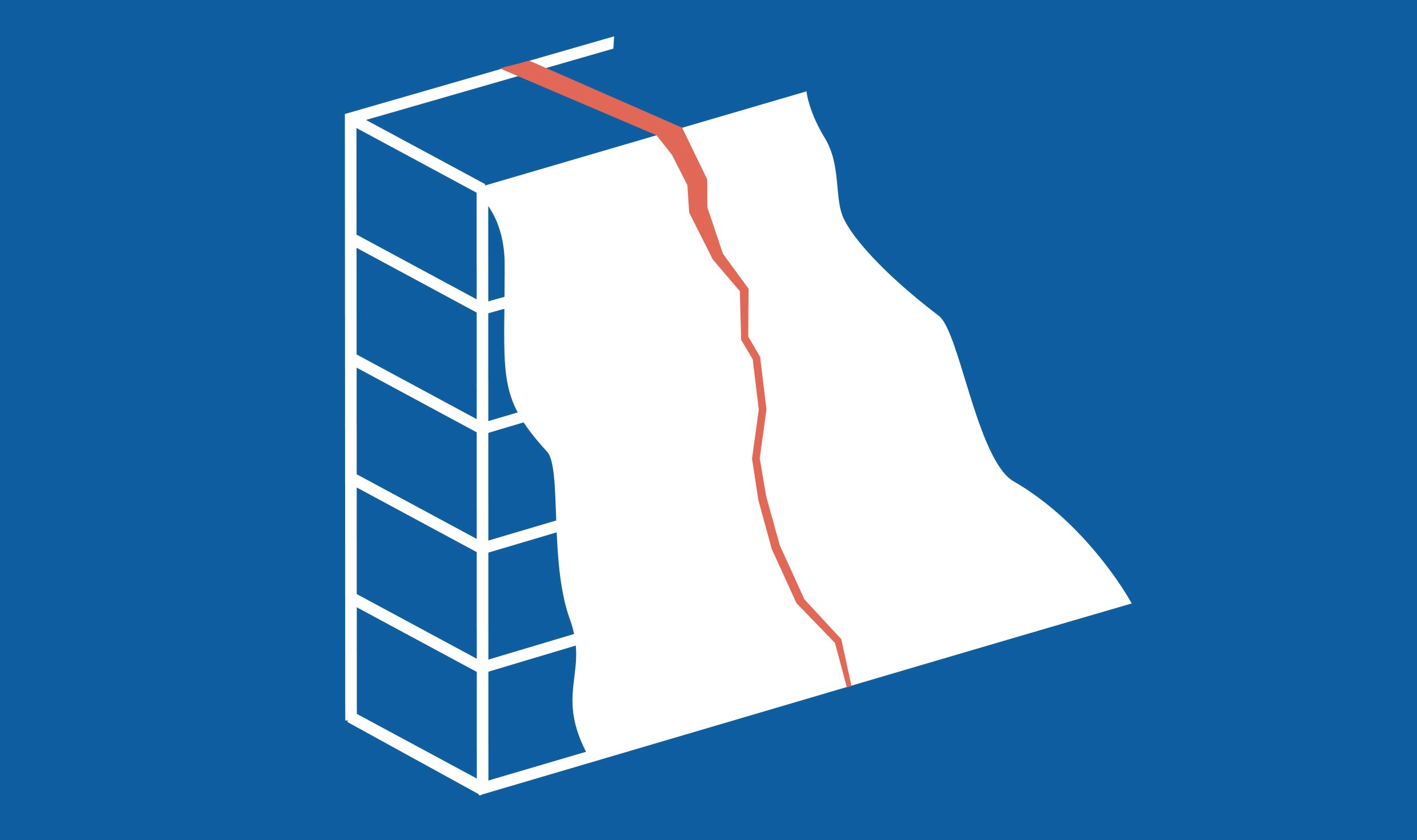
Horizontal Cracks
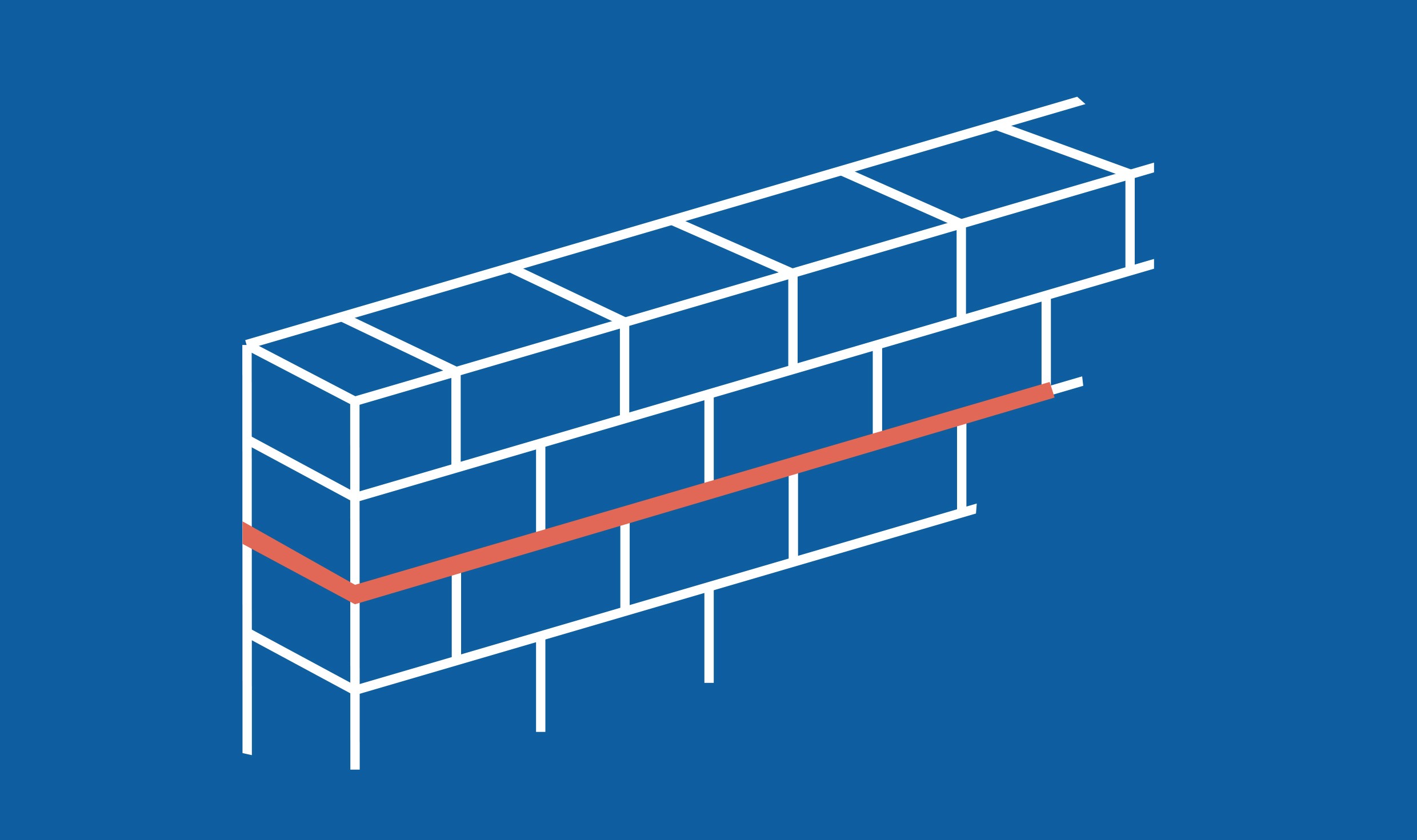
Internally they can appear as a gap between a wall and the ceiling. Externally they can appear as a horizontal gap between bricks where they can sometimes transition into Step Cracks (see below). These cracks often result from foundation movement.
Concern level: High
Stair Step Cracks in Brickwork
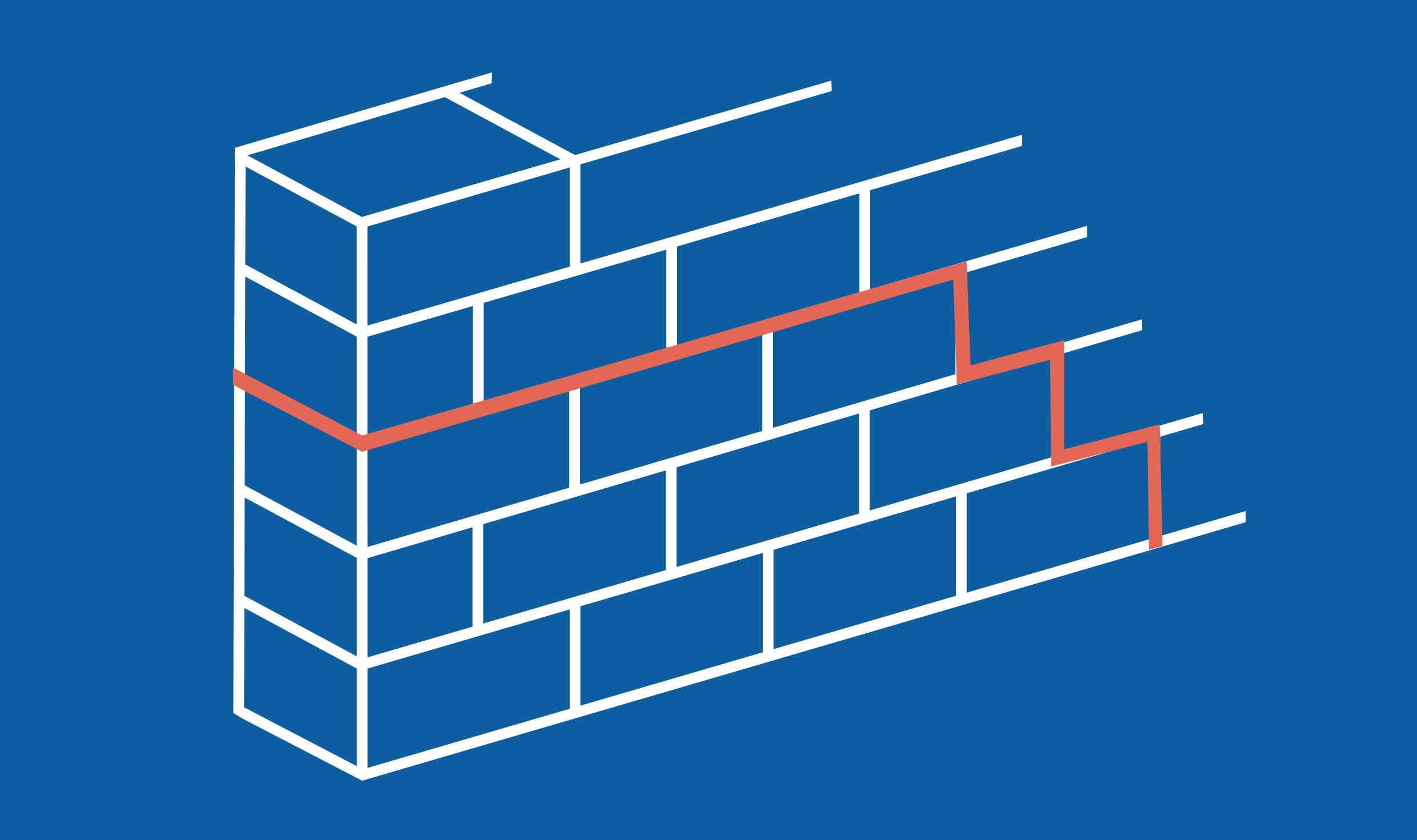
Stepped cracks typically form diagonal, stair-step patterns which follow mortar lines on brick and masonry walls. If they are accompanied by other issues such as sticking doors and bulging walls it’s an indicator of serious structural issues such as foundation problems, soil movement or subsidence.
Concern level: High.
Cracks in Ceilings and Around Door Frames
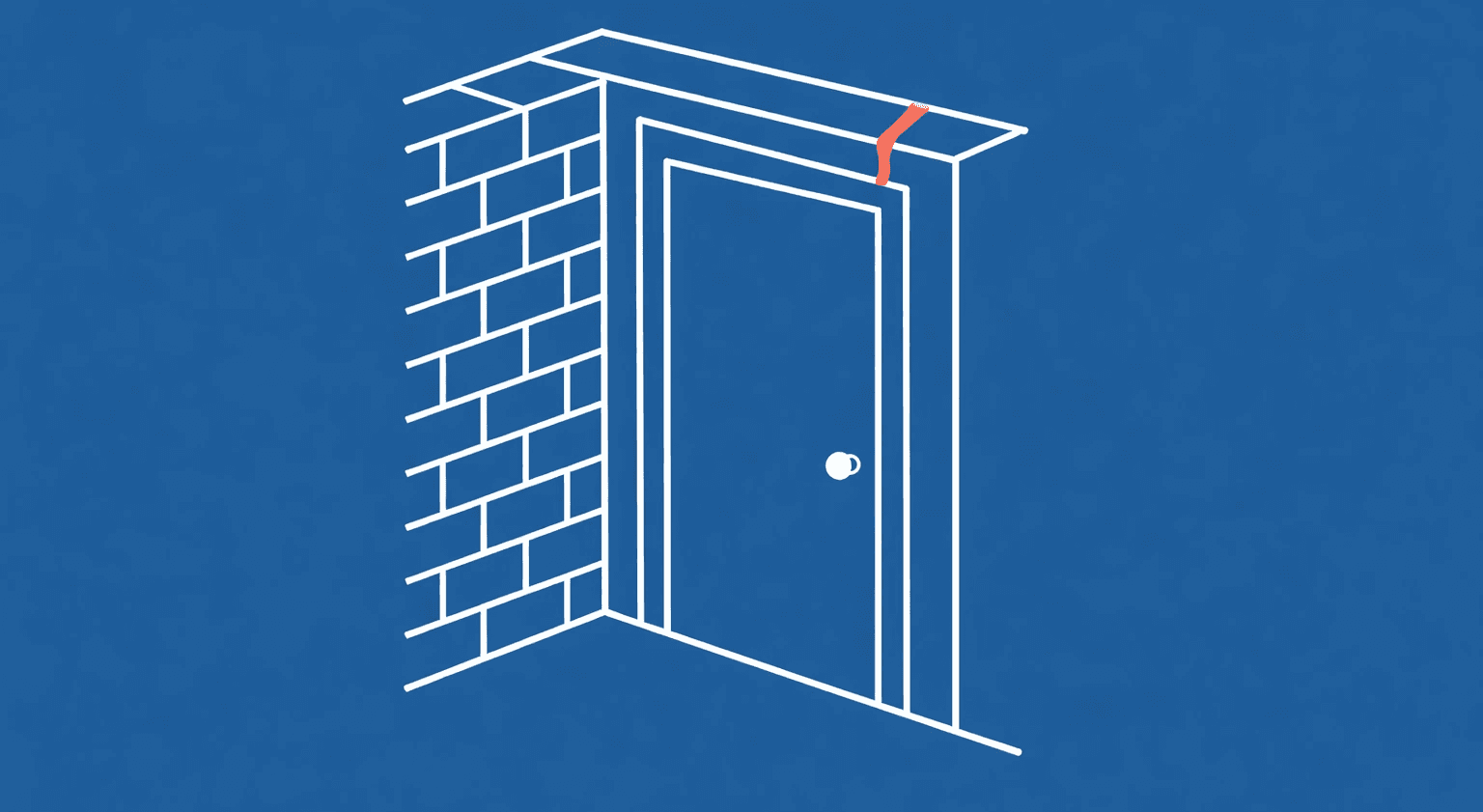
These types of cracks are common and are typically a sign of normal settling or temperature changes. Larger, jagged cracks, however, can signal more serious structural issues or ground movement.
Concern level: Moderate to High depending on pattern.
So, How Can You Be Sure a Crack Is Structural?
Structural cracks are usually wider and extend deeper beneath the surface than superficial cracks. For a breakdown of which cracks are serious (and why), make sure to read our detailed guide When Should You Worry About Cracks in the Wall.
Warning signs
Signs that a crack is probably structural are:
Cracks wider than 5mm
Cracks that widen/lengthen over weeks
Cracks that reappear after repair
Cracks running diagonally
Cracks continuing through brickwork
Gaps opening around doors/windows
Uneven floors, sticking doors, or rippling wallpaper
Harmless Signs
Minor cracking can occur in a building for reasons not related to subsidence. These include:
Thin plaster cracks
Straight hairline cracks in new builds
Seasonal minor movement
Isolated cracks not spreading
Structural Cracks: What’s Really Going on Beneath Your Home
Subsidence is the downward movement of the ground supporting a home. While not all cracks signal subsidence, those that appear, widen, and recur, especially if diagonal and wider at the top, suggest the structure could be under strain from its foundations moving unevenly.
In the UK, the main cause of subsidence is clay soils which expand and contract with moisture. Clay soils are mostly located in Southern England. In normal conditions, the clay will shrink slightly in summer and recover in the wetter winter months. However, increasingly dryer summers and winters have prevented the ground from fully recovering, leading to settlement and cracking.
Generally, moisture content will vary significantly only in the top 1 metre depth of clay soil. This variation is more likely to impact older buildings (built before the 1950s) because their foundations are not as deep was those of newer buildings.
Where a tree is located close to a building, variations in the soil's moisture content can occur to a much greater depth, particularly in a drought, as tree roots seek out water to survive. Tree roots can impact both old and newer properties alike.
Other causes of subsidence cracks include leaking drains or pipes, which can wash away the soil from beneath foundations causing them to become unstable.
Subsidence cracking can also result from poor construction practices or the use of substandard materials that deteriorate prematurely.
How Structural Cracks Are Diagnosed
The visual signs warning of structural cracks are:
Cracks wider than 5mm (for comparison, a £2 coin is approximately 2mm thick)
Cracks that are diagonal and/or look like a stair-step in your brickwork
Cracks are visible on both the inside and outside of external walls
Cracks accompanied by other signs of movement, such as sticking doors, sloping floors, or gaps appearing around skirting boards
Cracks that are getting progressively longer and/or wider over time
All the above are all warning signs that cracks may be structural and that your home may be suffering from subsidence. The next step is to seek the opinion of a professional, such as Mainmark, who has expertise in subsidence assessment and remediation.
One of our specialists can visit your home to conduct a survey. This may involve:
A visual inspection of the building and the ground surrounding the building
Crack and building level monitoring using markers to monitor changes in crack widths and changes in the level of the building over time that could indicate subsidence.
Soil analysis to help establish the ground conditions beneath the property.
A drain survey, if leaking drains are suspected
A review of historic data and records to help understand the history of the site and whether there have been any previous subsidence issues.
The survey will help establish the cause of the cracks, whether movement is active or historic and its possible cause or causes. A survey will give you a better understanding of the nature and extent of ground movement and the amount of work required to return your home to a safe, stable and level position.
Professional Repair Options for Structural Cracks
Mainmark is a global leader in ground engineering and asset preservation, specialising in subsidence prevention and repair.
Our experienced engineers and technicians are skilled at establishing the most appropriate methods and creating treatment plans specific to the needs of each building.
Minor cracks that are not structural can often be repaired with filler or sealant because they do not affect the building structure.
Larger cracks will require treatment. Mainmark’s non-invasive underpinning solutions can lift foundations and re-level buildings by injecting our structural resin or cementitious grout mix into the ground under the building’s footings. This will strengthen the ground. It can also be used to lift the structure back to level. In most cases, this closes any cracks in the walls that may have formed.
The benefits of Mainmark's Teretek® resin injection, when compared to more traditional underpinning methods, is that it is quicker and, in most cases, it can be carried out from the outside your home.
Where ground conditions mean that resin or grout injection cannot be used, Mainmark also specialises in the design and installation of screw-pile underpinning solutions, as an alternative means of strengthening a structure. This advanced technique provides a cleaner, faster, and more sustainable alternative to traditional underpinning techniques without the need for widespread excavation. It is particularly well suited to strengthening structures on clay soils with a high Plasticity Index, which tend to shrink and swell more readily.
Whatever the solution, early action to deal with subsidence will help prevent cracks getting worse and ensure your home is safe and that its value will be preserved.
Simple Steps to Prevent Structural Cracks
Some minor cracks are unavoidable, but there are steps homeowners can take to reduce the risk of structural cracking, including:
Prevent moisture affecting your home by keeping gutters clean, fixing leaks and ensuring drains are maintained
Use high-quality materials that will stand the test of time and don't cut corners with the build when undertaking building or renovation works
Avoid overloading structures, particularly those with shallower foundations, such as a conservatory, extension or bay window.
Ensure trees are planted a safe distance from your home and keep established trees well pruned to reduce the amount of moisture they need to draw from the ground
Employ a professional to undertake routine inspections to identify risks before they develop into serious issues.
Speak to a Specialist Today
Once the cause of a crack has been established, most structural cracks are treatable using modern ground engineering solutions to improve the ground conditions beneath your home and provide stable support for your home's foundations. Acting early will help prevent crack problems from getting worse, ensure your home is safe, and will help preserve its value.
If you are concerned about cracks in your home, contact Mainmark UK.
Mainmark’s specialised in-house solutions
Our dedicated team of experts is committed to understanding your unique needs and objectives, working closely with you to develop and execute.
Get in Touch
Our dedicated team of experts is committed to understanding your unique needs and objectives, working closely with you to develop and execute.
Structural Cracks 101: Types & Causes
Cracks are common in UK homes. They are a mechanism for releasing stresses built up within the finishes or the structure. The type, size, and location of a crack are critical in helping establish whether a crack is a sign of subsidence or is simply cosmetic. Spotting subsidence cracking early is crucial in preventing more serious (and costly) structural damage.
This blog outlines the different types of cracks that occur in buildings and explains when to seek professional advice. It also outlines some of the solutions offered by leading subsidence and structural repair specialist Mainmark UK.
What Are Structural Cracks?
Cracks are visible evidence of stress having built up in a building.
Structural Cracks are generally larger and indicate a problem with the strength or integrity of the building's supporting framework. They are typically caused by underlying issues such as foundation settlement, soil movement, overloading, or poor construction practices.
Non-Structural Cracks are usually surface-level and are cosmetic. They are often caused by normal material shrinkage, such as plaster drying out, by materials expanding and contracting as the temperature changes, or by minor settlement in new homes.
Identifying the type of crack is crucial for determining the necessary course of action. Structural cracks usually indicate a building is moving and require prompt attention from a qualified professional.
Types of Cracks in Buildings
The type and size of a crack will provide a clue as to its cause and the potential implications...
Hairline Cracks (<1mm)
Fine cracks that look like a strand of hair are common in plaster; they are usually cosmetic. In new homes they can appear when the plaster finish dries out or as the ground beneath consolidates naturally under the weight of the new building. In older homes hairline cracks can be caused by seasonal changes in humidity and temperature that cause building materials to expand and contract.
Concern level: Low
Vertical Cracks
These run straight up and down a wall and are caused by the building experiencing stress vertically.
Vertical cracks are not a major concern when they are the result of:
Natural settlement in new construction as the ground consolidates
Materials, such as plaster shrinking as it dries
Temperature cycling in long, unjointed walls as they expand and contract
Vertical cracks are of more concern when they are the result of:
Differential settlement of the foundation
Poor design, poor construction or the use of substandard materials
Overloading a structural element beyond its intended design capacity
Concern level: Low/Medium
Diagonal Cracks
These can appear suddenly. They run from the corners of doors and window frames and are often wider at one end. A diagonal crack in either an internal or external wall is a warning that your home may be suffering from subsidence.
Concern level: High
Horizontal Cracks
Internally they can appear as a gap between a wall and the ceiling. Externally they can appear as a horizontal gap between bricks where they can sometimes transition into Step Cracks (see below). These cracks often result from foundation movement.
Concern level: High
Stair Step Cracks in Brickwork
Stepped cracks typically form diagonal, stair-step patterns which follow mortar lines on brick and masonry walls. If they are accompanied by other issues such as sticking doors and bulging walls it’s an indicator of serious structural issues such as foundation problems, soil movement or subsidence.
Concern level: High.
Cracks in Ceilings and Around Door Frames
These types of cracks are common and are typically a sign of normal settling or temperature changes. Larger, jagged cracks, however, can signal more serious structural issues or ground movement.
Concern level: Moderate to High depending on pattern.
So, How Can You Be Sure a Crack Is Structural?
Structural cracks are usually wider and extend deeper beneath the surface than superficial cracks. For a breakdown of which cracks are serious (and why), make sure to read our detailed guide When Should You Worry About Cracks in the Wall.
Warning signs
Signs that a crack is probably structural are:
Cracks wider than 5mm
Cracks that widen/lengthen over weeks
Cracks that reappear after repair
Cracks running diagonally
Cracks continuing through brickwork
Gaps opening around doors/windows
Uneven floors, sticking doors, or rippling wallpaper
Harmless Signs
Minor cracking can occur in a building for reasons not related to subsidence. These include:
Thin plaster cracks
Straight hairline cracks in new builds
Seasonal minor movement
Isolated cracks not spreading
Structural Cracks: What’s Really Going on Beneath Your Home
Subsidence is the downward movement of the ground supporting a home. While not all cracks signal subsidence, those that appear, widen, and recur, especially if diagonal and wider at the top, suggest the structure could be under strain from its foundations moving unevenly.
In the UK, the main cause of subsidence is clay soils which expand and contract with moisture. Clay soils are mostly located in Southern England. In normal conditions, the clay will shrink slightly in summer and recover in the wetter winter months. However, increasingly dryer summers and winters have prevented the ground from fully recovering, leading to settlement and cracking.
Generally, moisture content will vary significantly only in the top 1 metre depth of clay soil. This variation is more likely to impact older buildings (built before the 1950s) because their foundations are not as deep was those of newer buildings.
Where a tree is located close to a building, variations in the soil's moisture content can occur to a much greater depth, particularly in a drought, as tree roots seek out water to survive. Tree roots can impact both old and newer properties alike.
Other causes of subsidence cracks include leaking drains or pipes, which can wash away the soil from beneath foundations causing them to become unstable.
Subsidence cracking can also result from poor construction practices or the use of substandard materials that deteriorate prematurely.
How Structural Cracks Are Diagnosed
The visual signs warning of structural cracks are:
Cracks wider than 5mm (for comparison, a £2 coin is approximately 2mm thick)
Cracks that are diagonal and/or look like a stair-step in your brickwork
Cracks are visible on both the inside and outside of external walls
Cracks accompanied by other signs of movement, such as sticking doors, sloping floors, or gaps appearing around skirting boards
Cracks that are getting progressively longer and/or wider over time
All the above are all warning signs that cracks may be structural and that your home may be suffering from subsidence. The next step is to seek the opinion of a professional, such as Mainmark, who has expertise in subsidence assessment and remediation.
One of our specialists can visit your home to conduct a survey. This may involve:
A visual inspection of the building and the ground surrounding the building
Crack and building level monitoring using markers to monitor changes in crack widths and changes in the level of the building over time that could indicate subsidence.
Soil analysis to help establish the ground conditions beneath the property.
A drain survey, if leaking drains are suspected
A review of historic data and records to help understand the history of the site and whether there have been any previous subsidence issues.
The survey will help establish the cause of the cracks, whether movement is active or historic and its possible cause or causes. A survey will give you a better understanding of the nature and extent of ground movement and the amount of work required to return your home to a safe, stable and level position.
Professional Repair Options for Structural Cracks
Mainmark is a global leader in ground engineering and asset preservation, specialising in subsidence prevention and repair.
Our experienced engineers and technicians are skilled at establishing the most appropriate methods and creating treatment plans specific to the needs of each building.
Minor cracks that are not structural can often be repaired with filler or sealant because they do not affect the building structure.
Larger cracks will require treatment. Mainmark’s non-invasive underpinning solutions can lift foundations and re-level buildings by injecting our structural resin or cementitious grout mix into the ground under the building’s footings. This will strengthen the ground. It can also be used to lift the structure back to level. In most cases, this closes any cracks in the walls that may have formed.
The benefits of Mainmark's Teretek® resin injection, when compared to more traditional underpinning methods, is that it is quicker and, in most cases, it can be carried out from the outside your home.
Where ground conditions mean that resin or grout injection cannot be used, Mainmark also specialises in the design and installation of screw-pile underpinning solutions, as an alternative means of strengthening a structure. This advanced technique provides a cleaner, faster, and more sustainable alternative to traditional underpinning techniques without the need for widespread excavation. It is particularly well suited to strengthening structures on clay soils with a high Plasticity Index, which tend to shrink and swell more readily.
Whatever the solution, early action to deal with subsidence will help prevent cracks getting worse and ensure your home is safe and that its value will be preserved.
Simple Steps to Prevent Structural Cracks
Some minor cracks are unavoidable, but there are steps homeowners can take to reduce the risk of structural cracking, including:
Prevent moisture affecting your home by keeping gutters clean, fixing leaks and ensuring drains are maintained
Use high-quality materials that will stand the test of time and don't cut corners with the build when undertaking building or renovation works
Avoid overloading structures, particularly those with shallower foundations, such as a conservatory, extension or bay window.
Ensure trees are planted a safe distance from your home and keep established trees well pruned to reduce the amount of moisture they need to draw from the ground
Employ a professional to undertake routine inspections to identify risks before they develop into serious issues.
Speak to a Specialist Today
Once the cause of a crack has been established, most structural cracks are treatable using modern ground engineering solutions to improve the ground conditions beneath your home and provide stable support for your home's foundations. Acting early will help prevent crack problems from getting worse, ensure your home is safe, and will help preserve its value.
If you are concerned about cracks in your home, contact Mainmark UK.
Mainmark’s specialised in-house solutions
Our dedicated team of experts is committed to understanding your unique needs and objectives, working closely with you to develop and execute.
Get in Touch
Our dedicated team of experts is committed to understanding your unique needs and objectives, working closely with you to develop and execute.
Structural Cracks 101: Types & Causes
Cracks are common in UK homes. They are a mechanism for releasing stresses built up within the finishes or the structure. The type, size, and location of a crack are critical in helping establish whether a crack is a sign of subsidence or is simply cosmetic. Spotting subsidence cracking early is crucial in preventing more serious (and costly) structural damage.
This blog outlines the different types of cracks that occur in buildings and explains when to seek professional advice. It also outlines some of the solutions offered by leading subsidence and structural repair specialist Mainmark UK.
What Are Structural Cracks?
Cracks are visible evidence of stress having built up in a building.
Structural Cracks are generally larger and indicate a problem with the strength or integrity of the building's supporting framework. They are typically caused by underlying issues such as foundation settlement, soil movement, overloading, or poor construction practices.
Non-Structural Cracks are usually surface-level and are cosmetic. They are often caused by normal material shrinkage, such as plaster drying out, by materials expanding and contracting as the temperature changes, or by minor settlement in new homes.
Identifying the type of crack is crucial for determining the necessary course of action. Structural cracks usually indicate a building is moving and require prompt attention from a qualified professional.
Types of Cracks in Buildings
The type and size of a crack will provide a clue as to its cause and the potential implications...
Hairline Cracks (<1mm)
Fine cracks that look like a strand of hair are common in plaster; they are usually cosmetic. In new homes they can appear when the plaster finish dries out or as the ground beneath consolidates naturally under the weight of the new building. In older homes hairline cracks can be caused by seasonal changes in humidity and temperature that cause building materials to expand and contract.
Concern level: Low
Vertical Cracks
These run straight up and down a wall and are caused by the building experiencing stress vertically.
Vertical cracks are not a major concern when they are the result of:
Natural settlement in new construction as the ground consolidates
Materials, such as plaster shrinking as it dries
Temperature cycling in long, unjointed walls as they expand and contract
Vertical cracks are of more concern when they are the result of:
Differential settlement of the foundation
Poor design, poor construction or the use of substandard materials
Overloading a structural element beyond its intended design capacity
Concern level: Low/Medium
Diagonal Cracks
These can appear suddenly. They run from the corners of doors and window frames and are often wider at one end. A diagonal crack in either an internal or external wall is a warning that your home may be suffering from subsidence.
Concern level: High
Horizontal Cracks
Internally they can appear as a gap between a wall and the ceiling. Externally they can appear as a horizontal gap between bricks where they can sometimes transition into Step Cracks (see below). These cracks often result from foundation movement.
Concern level: High
Stair Step Cracks in Brickwork
Stepped cracks typically form diagonal, stair-step patterns which follow mortar lines on brick and masonry walls. If they are accompanied by other issues such as sticking doors and bulging walls it’s an indicator of serious structural issues such as foundation problems, soil movement or subsidence.
Concern level: High.
Cracks in Ceilings and Around Door Frames
These types of cracks are common and are typically a sign of normal settling or temperature changes. Larger, jagged cracks, however, can signal more serious structural issues or ground movement.
Concern level: Moderate to High depending on pattern.
So, How Can You Be Sure a Crack Is Structural?
Structural cracks are usually wider and extend deeper beneath the surface than superficial cracks. For a breakdown of which cracks are serious (and why), make sure to read our detailed guide When Should You Worry About Cracks in the Wall.
Warning signs
Signs that a crack is probably structural are:
Cracks wider than 5mm
Cracks that widen/lengthen over weeks
Cracks that reappear after repair
Cracks running diagonally
Cracks continuing through brickwork
Gaps opening around doors/windows
Uneven floors, sticking doors, or rippling wallpaper
Harmless Signs
Minor cracking can occur in a building for reasons not related to subsidence. These include:
Thin plaster cracks
Straight hairline cracks in new builds
Seasonal minor movement
Isolated cracks not spreading
Structural Cracks: What’s Really Going on Beneath Your Home
Subsidence is the downward movement of the ground supporting a home. While not all cracks signal subsidence, those that appear, widen, and recur, especially if diagonal and wider at the top, suggest the structure could be under strain from its foundations moving unevenly.
In the UK, the main cause of subsidence is clay soils which expand and contract with moisture. Clay soils are mostly located in Southern England. In normal conditions, the clay will shrink slightly in summer and recover in the wetter winter months. However, increasingly dryer summers and winters have prevented the ground from fully recovering, leading to settlement and cracking.
Generally, moisture content will vary significantly only in the top 1 metre depth of clay soil. This variation is more likely to impact older buildings (built before the 1950s) because their foundations are not as deep was those of newer buildings.
Where a tree is located close to a building, variations in the soil's moisture content can occur to a much greater depth, particularly in a drought, as tree roots seek out water to survive. Tree roots can impact both old and newer properties alike.
Other causes of subsidence cracks include leaking drains or pipes, which can wash away the soil from beneath foundations causing them to become unstable.
Subsidence cracking can also result from poor construction practices or the use of substandard materials that deteriorate prematurely.
How Structural Cracks Are Diagnosed
The visual signs warning of structural cracks are:
Cracks wider than 5mm (for comparison, a £2 coin is approximately 2mm thick)
Cracks that are diagonal and/or look like a stair-step in your brickwork
Cracks are visible on both the inside and outside of external walls
Cracks accompanied by other signs of movement, such as sticking doors, sloping floors, or gaps appearing around skirting boards
Cracks that are getting progressively longer and/or wider over time
All the above are all warning signs that cracks may be structural and that your home may be suffering from subsidence. The next step is to seek the opinion of a professional, such as Mainmark, who has expertise in subsidence assessment and remediation.
One of our specialists can visit your home to conduct a survey. This may involve:
A visual inspection of the building and the ground surrounding the building
Crack and building level monitoring using markers to monitor changes in crack widths and changes in the level of the building over time that could indicate subsidence.
Soil analysis to help establish the ground conditions beneath the property.
A drain survey, if leaking drains are suspected
A review of historic data and records to help understand the history of the site and whether there have been any previous subsidence issues.
The survey will help establish the cause of the cracks, whether movement is active or historic and its possible cause or causes. A survey will give you a better understanding of the nature and extent of ground movement and the amount of work required to return your home to a safe, stable and level position.
Professional Repair Options for Structural Cracks
Mainmark is a global leader in ground engineering and asset preservation, specialising in subsidence prevention and repair.
Our experienced engineers and technicians are skilled at establishing the most appropriate methods and creating treatment plans specific to the needs of each building.
Minor cracks that are not structural can often be repaired with filler or sealant because they do not affect the building structure.
Larger cracks will require treatment. Mainmark’s non-invasive underpinning solutions can lift foundations and re-level buildings by injecting our structural resin or cementitious grout mix into the ground under the building’s footings. This will strengthen the ground. It can also be used to lift the structure back to level. In most cases, this closes any cracks in the walls that may have formed.
The benefits of Mainmark's Teretek® resin injection, when compared to more traditional underpinning methods, is that it is quicker and, in most cases, it can be carried out from the outside your home.
Where ground conditions mean that resin or grout injection cannot be used, Mainmark also specialises in the design and installation of screw-pile underpinning solutions, as an alternative means of strengthening a structure. This advanced technique provides a cleaner, faster, and more sustainable alternative to traditional underpinning techniques without the need for widespread excavation. It is particularly well suited to strengthening structures on clay soils with a high Plasticity Index, which tend to shrink and swell more readily.
Whatever the solution, early action to deal with subsidence will help prevent cracks getting worse and ensure your home is safe and that its value will be preserved.
Simple Steps to Prevent Structural Cracks
Some minor cracks are unavoidable, but there are steps homeowners can take to reduce the risk of structural cracking, including:
Prevent moisture affecting your home by keeping gutters clean, fixing leaks and ensuring drains are maintained
Use high-quality materials that will stand the test of time and don't cut corners with the build when undertaking building or renovation works
Avoid overloading structures, particularly those with shallower foundations, such as a conservatory, extension or bay window.
Ensure trees are planted a safe distance from your home and keep established trees well pruned to reduce the amount of moisture they need to draw from the ground
Employ a professional to undertake routine inspections to identify risks before they develop into serious issues.
Speak to a Specialist Today
Once the cause of a crack has been established, most structural cracks are treatable using modern ground engineering solutions to improve the ground conditions beneath your home and provide stable support for your home's foundations. Acting early will help prevent crack problems from getting worse, ensure your home is safe, and will help preserve its value.
If you are concerned about cracks in your home, contact Mainmark UK.
Mainmark’s specialised in-house solutions
Our dedicated team of experts is committed to understanding your unique needs and objectives, working closely with you to develop and execute.
Get in Touch
Our dedicated team of experts is committed to understanding your unique needs and objectives, working closely with you to develop and execute.